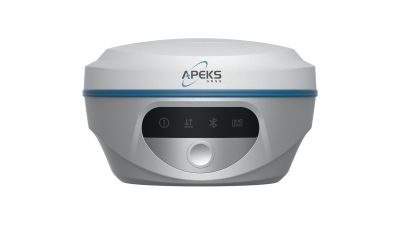
You know, in the fast-changing world of geospatial surveying, getting things right is super important for anyone trying to streamline their work. That's where the Brush Rover Rtk really shines! It helps users nail down incredible accuracy—like, within just 2 cm—when they're out there mapping and surveying. 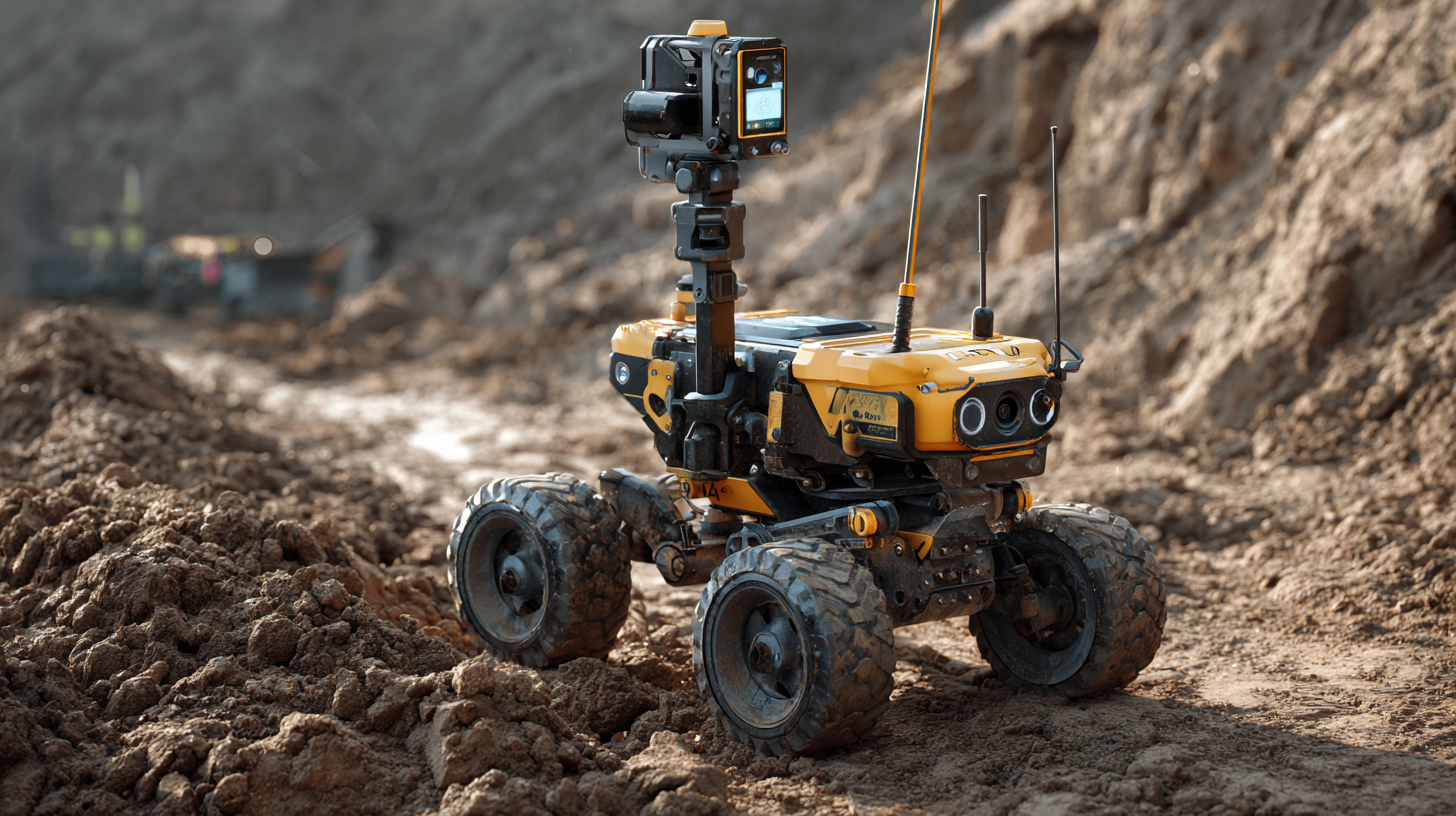 Plus, check this out: recent industry reports suggest that the global GNSS/GPS market is set to hit around USD 230 billion by 2025. This really shows how much people are looking for high-precision tools like the Brush Rover RTK. Here at Shanghai Apekstool (APEKS), we’re all about bringing innovative solutions to the table, from GNSS systems to surveying accessories, all aimed at boosting your operational efficiency.
And hey, when you’re picking the right Brush Rover RTK, it’s super important to consider things like after-sales service and repair costs. That way, you can keep your gear in top shape without dealing with too much downtime.
Understanding the Importance of RTK in Precision Agriculture
You know, in the world of precision agriculture, Real-Time Kinematic (RTK) positioning tech has really become a must-have for farmers who want to boost their yields without breaking the bank. A report by the International Society of Precision Agriculture highlights that using RTK can ramp up crop productivity by as much as 30% compared to the old-school farming methods. That kind of accuracy is super important these days—every bit of farmland counts, especially with more people to feed and the challenges of climate change pressing down on us.
RTK systems are pretty impressive, delivering accuracy down to the centimeter, which allows farmers to get really savvy with their strategies for planting, fertilizing, and keeping pests at bay. For instance, the 2023 Global Precision Agriculture Market report suggests that fine-tuning where inputs go could slash fertilizer use by up to 20%. That’s huge! It means cutting costs and being kinder to the environment at the same time. Plus, as we see more and more autonomous machinery hitting the fields, having solid RTK positioning is essential. It helps these advanced technologies work seamlessly together in what we like to call a smart farming ecosystem.
Comparison of RTK Accuracy in Precision Agriculture
This chart illustrates the accuracy levels of various positioning systems used in precision agriculture. The data highlights the enhanced precision achieved with RTK (Real-Time Kinematic) systems, showcasing their superiority over traditional GPS methods.
Key Features to Look for in Brush Rover RTK Models
Alright, so when you're on the hunt for the right Brush Rover RTK model, there are a few key things you definitely want to keep in mind. First off, those advanced GNSS capabilities? Yeah, they're super important because they help you get that sweet centimeter-level accuracy. You really want a receiver that can handle multiple constellations and frequencies, especially since you’ll need it to pick up signals even in those tricky spots.
Now, let’s talk durability. If you’ve ever worked in the field, you know how rough things can get. So, a device that’s built tough and can withstand the elements is a must-have. Plus, you don’t want to be stuck fiddling with connections, right? Go for models that play nice with different data collection software and can easily pair with your mobile devices. It just makes everything way smoother.
And hey, don’t forget about battery life! If you’re gonna be out there for a while, having a long-lasting battery can really save you from those annoying recharging hassles. All in all, by keeping your eyes on these features, you can pick out a Brush Rover RTK that ticks all the boxes for precision and functionality.
5 Must-Know Tips for Choosing the Best Brush Rover RTK
| Feature | Description | Importance |
| Accuracy | Look for RTK models that provide 2 cm accuracy to ensure precise mapping and surveying. | High, essential for professional use. |
| Integration with GNSS | Choose models that support multiple GNSS constellations for better signal availability. | High, increases usability in various locations. |
| Durability | Opt for rugged designs that can withstand harsh weather and environments. | Medium, important for fieldwork conditions. |
| User Interface | Select an intuitive interface that is easy to navigate for all skill levels. | High, improves efficiency in operations. |
| Battery Life | Evaluate models with long battery life to support extended working hours. | Medium, affects operational time on-site. |
Comparative Analysis: Brush Rover RTK vs Traditional Survey Methods
So, when we're talking about precision in geospatial surveying, the decision between going with a Brush Rover RTK or sticking to the classic survey methods can really make a difference. You know, those Brush Rover RTK systems have become super popular because they can get you accuracy to within centimeters—pretty amazing for any modern surveying project, right? Unlike the old-school methods that often depend on hand calculations and measuring things from the ground up, the cutting-edge tech in Brush Rover RTK gives surveyors real-time data that's not just faster, but also way more reliable. This really means that folks in the field can save a bunch of time while also cranking up the quality of their work.
Take, for example, NASA’s Perseverance Rover exploring the terrain on Mars. This shows just how critical precise measurements are in field studies. When they analyze formations like the "Kenmore" rock, it highlights how technology is helping us reach new heights in data collection and interpretation—kind of like how Brush Rover RTK is shaking things up for surveying here on Earth. Companies like Shanghai Apekstool, or APEKS for short, are really stepping up with their innovative geospatial products and leading the charge in providing top-notch GNSS/GPS systems. These tools really empower surveyors to get accurate and efficient results. As the industry keeps changing, it’s super important for pros to get a handle on what the new tools can do compared to the old ways. It’s all about beefing up those surveying skills!
Maximizing Efficiency: Tips for Integrating RTK Technology into Your Workflow
If you're looking to boost your operational efficiency, integrating RTK (that's Real-Time Kinematic, by the way) technology into your workflow can really do wonders, especially for precision agriculture and surveying. I mean, just think about it—according to the folks at NOAA (the National Oceanic and Atmospheric Administration), RTK systems can get your positioning accuracy down to an incredible 2 centimeters. That's some serious precision for navigation and data collection! This kind of accuracy not only cuts down on mistakes but also saves you from having to redo work, which means you'll have more time and resources to play with.
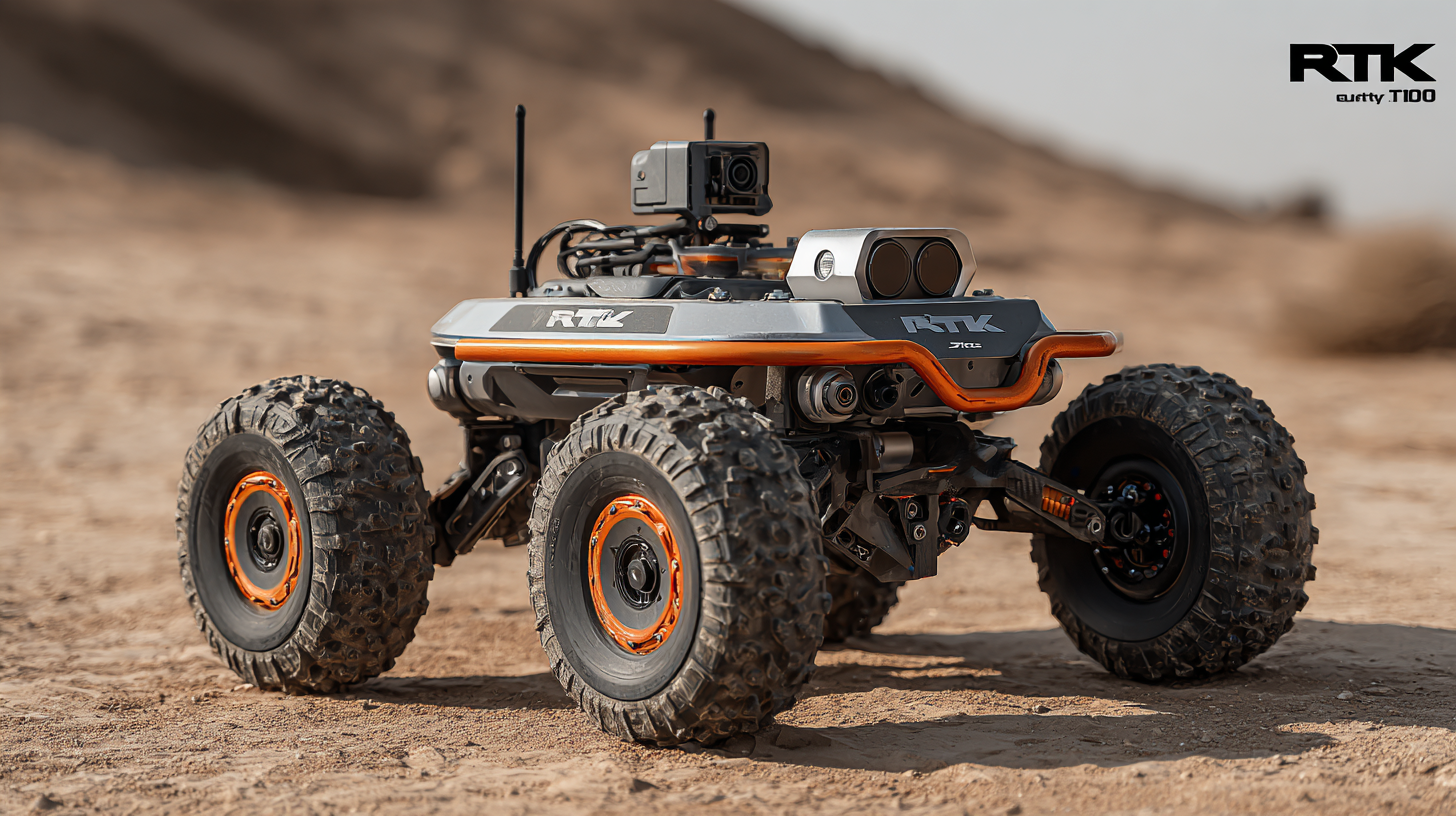
And get this: a study from the American Society of Civil Engineers found that construction projects using RTK technology see a 30% boost in productivity. By weaving RTK into your day-to-day processes, you can really smooth out tasks like land surveying and mapping. Now, to make this integration work, it's important to get your team trained on how to use RTK effectively, invest in solid gear like Brush Rover RTK systems, and have software ready that can handle RTK data like a champ. If you go about adopting RTK with these strategies, you’re in for some serious operational gains and a real jump in precision on your projects!
Real-World Applications: Success Stories with Brush Rover RTK Systems
If you're diving into the world of Brush Rover RTK systems, it's super important to get a grip on how they actually work in the real world. You know, like the way they can be deployed across different fields. A study from Geospatial World shows that GNSS technology, which includes those nifty RTK systems, can bump up surveying accuracy by as much as 95%! That’s especially impressive when you consider how tough things can get in some environments where the old-school methods just fall flat. And let me tell you, Brush Rover RTK systems are no slouches; they reliably give you accuracy down to 2 cm, which is why you’ll find them being used a ton in construction, farming, and environmental monitoring.
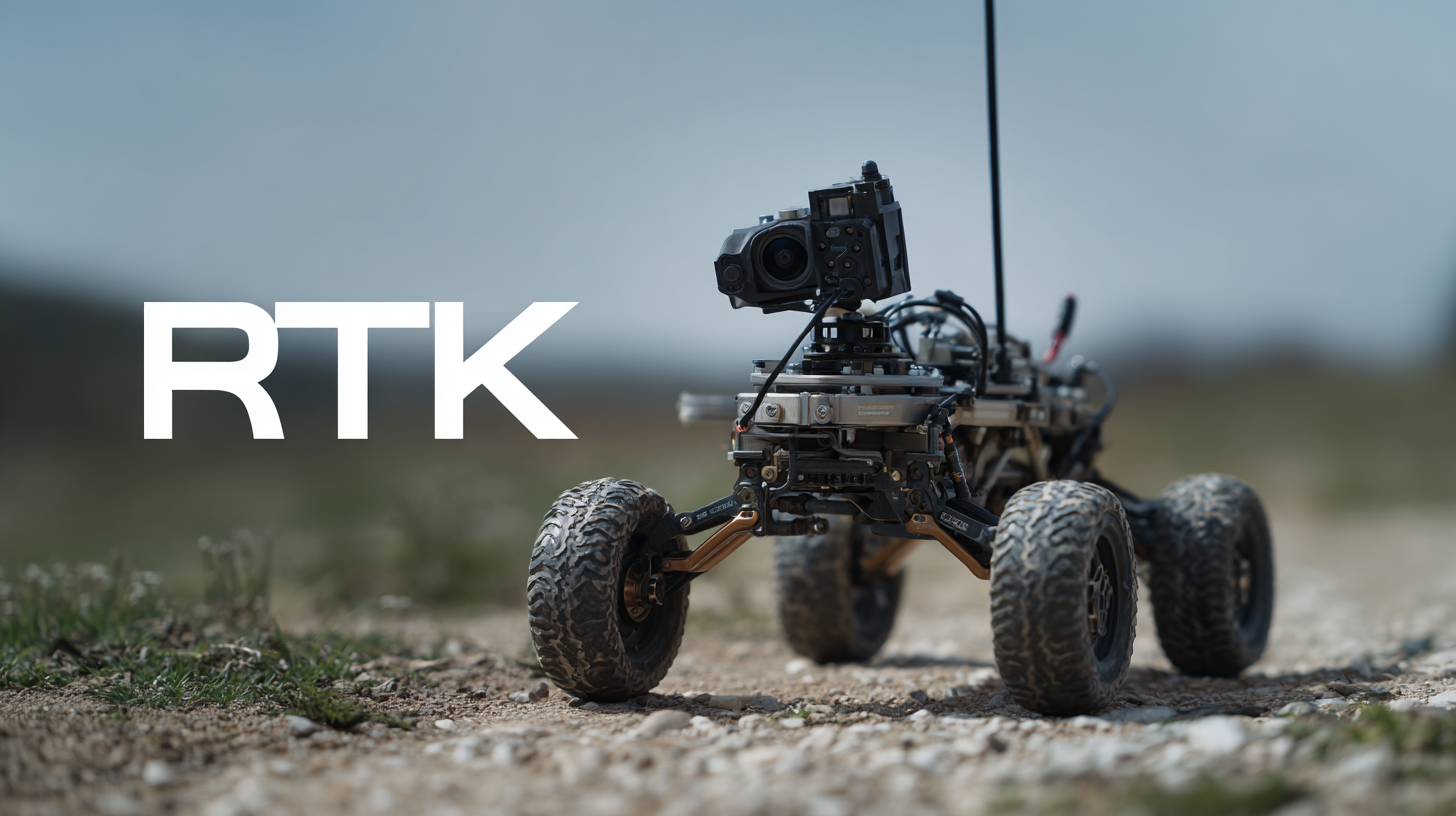
There are loads of success stories out there that really highlight the flexibility and dependability of Brush Rover RTK systems. For example, not too long ago, a big agricultural company decided to use a Brush Rover RTK system to fine-tune their planting strategy. The result? They saw a whopping 20% boost in their yield thanks to some super precise field mapping and crop monitoring. Plus, urban planners love this tech too! They’ve been using it for spot-on land surveys, which has helped them cut down on project time and costs. A city planning report even showed that using these advanced RTK systems slashed survey time by 30%!
Here at Shanghai Apekstool (APEKS), we’re all about delivering innovative geospatial solutions. We want our customers to tap into these advanced technologies so they can not only enhance their operational efficiency but also achieve top-notch accuracy in their projects.
Future Trends in RTK Technology and Its Impact on Precision Farming
You know, precision farming is really taking off, and one of the key players in that space is Real-Time Kinematic (RTK) technology. It’s seriously becoming a game-changer for how we farm, making things way more efficient and boosting crop yields. In fact, the global RTK market is expected to hit around USD 4.2 billion by 2025, which is pretty impressive, right? That’s a growth rate of about 14.8% since 2020, driven by farmers wanting to nail that accuracy. It’s all about cutting down on waste and managing resources better. Just think about it: RTK can reduce how much you overlap in your applications by a staggering 30%! That’s huge for lowering costs and ramping up productivity.
Now, looking ahead, the trends we're seeing with RTK tech are really fascinating. With new stuff like satellite-based RTK systems and AI getting integrated, the performance and reliability are going through the roof. A recent report from the Precision Agriculture Association noted that today’s RTK systems can achieve accuracy levels of up to 2 centimeters! That’s seriously critical for things like precision planting and mapping fields. Better accuracy not only leads to more bountiful harvests but also supports sustainable farming—farmers can make smarter choices with real-time data at their fingertips. As more and more farmers jump on board with these technologies, we're definitely going to see some major improvements in productivity and sustainability across the board.
Maximize Surveying Efficiency with the AP10 GNSS: A Cost-effective Solution for Topographic and Mapping Applications
The AP10 Gnss Receiver stands out as a powerful and cost-effective solution tailored for topographic and mapping applications. Surveying efficiency is crucial in construction and land development, where precision and productivity are paramount. The AP10 GNSS not only delivers high accuracy but also ensures robust performance across diverse terrains, making it an ideal choice for both professional surveyors and construction teams.
In addition to its affordability, the AP10 GNSS is designed for ease of use, enhancing field productivity. Its Real-Time Kinematic (RTK) capabilities ensure that you can obtain precise measurements in real time, significantly speeding up the surveying process. Whether navigating hilly landscapes or flat terrains, the AP10 delivers reliable results that can improve project timelines and overall work efficiency. Investing in such a technology can lead leaders in surveying and mapping to achieve better outcomes with less downtime and reduced operational costs.
FAQS
: RTK technology is a positioning system that delivers centimeter-level accuracy, crucial for optimizing farming practices to maximize yield and minimize costs. It can enhance crop productivity by up to 30% compared to traditional methods.
RTK enables more sophisticated strategies such as precise planting, fertilization, and pest control, allowing farmers to use resources more efficiently and effectively.
By improving the precise placement of inputs, RTK technology can lead to a decrease in fertilizer use by up to 20%, which lowers costs and minimizes environmental impact.
As more autonomous machinery is adopted in farming, reliable RTK positioning becomes essential for seamless integration and effective operation within smart farming ecosystems.
Brush Rover RTK systems consistently deliver an accuracy of 2 cm, making them a preferred choice for various applications such as construction, agriculture, and environmental monitoring.
An agricultural enterprise that implemented a Brush Rover RTK system reported a 20% increase in yield due to precise field mapping and crop monitoring.
Urban planners have reported a 30% reduction in survey time when using cutting-edge RTK systems, which enhances accuracy and speeds up project timelines.
APEKS is committed to offering innovative geospatial solutions, enabling customers to leverage advanced RTK technology for operational efficiency and superior project accuracy.